
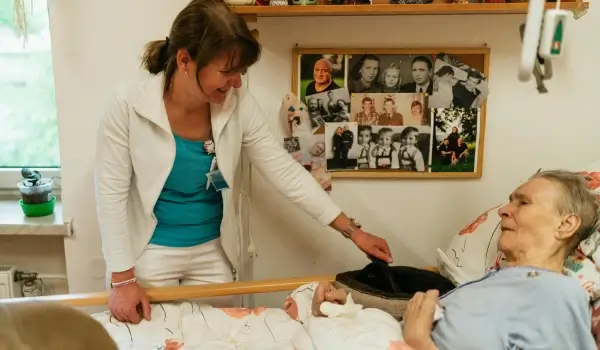
Fatigue and weakness are among the most commonly reported and least adequately treated symptoms in serious illness. For patients living with cancer, heart failure, advanced lung disease, or other life-limiting conditions, these symptoms can be just as debilitating as pain, and sometimes more so. They affect the ability to spend meaningful time with family, pursue activities that bring comfort, and maintain a sense of self. Yet because fatigue is invisible and difficult to measure, it often receives less attention than it deserves in standard medical care.
Palliative care teams are specifically trained to take these symptoms seriously. Their approach is comprehensive, individualized, and focused on what matters most to the patient.
Understanding the Causes of Fatigue in Serious Illness
Effective treatment begins with understanding. Palliative care clinicians conduct a thorough assessment to identify what is driving fatigue and weakness in each individual patient, because the causes are rarely simple and often multiple.
Common contributors include the underlying disease itself, treatment side effects such as chemotherapy or radiation, anemia, disrupted sleep, nutritional deficiencies, depression, anxiety, uncontrolled pain, and medication side effects. In many cases, several of these factors are present simultaneously. A palliative care team evaluates the full picture rather than treating fatigue as a single symptom with a single solution.
This assessment-first approach is what distinguishes palliative care from a reactive or symptom-by-symptom model. It also ensures that interventions are targeted to the actual source of the problem rather than applied generically.
Medical Interventions for Fatigue and Weakness
Once contributing causes are identified, palliative care teams use a range of medical strategies to reduce their impact.
If anemia is contributing to fatigue, the team may recommend treatment options appropriate to the patient’s overall condition and goals of care. If sleep is disrupted by pain, anxiety, or medication timing, adjustments can produce meaningful improvement in energy levels. Corticosteroids are sometimes used for short-term management of cancer-related fatigue, though the palliative care team carefully weighs the benefits against side effects given each patient’s specific situation.
Medication reviews are a standard part of palliative care practice. Many patients with serious illness take multiple medications, and some of those medications, individually or in combination, can contribute significantly to fatigue and weakness. Simplifying or adjusting the medication regimen, where appropriate, can improve energy and alertness without adding new treatments.
Non-Medical Approaches That Make a Real Difference
Palliative care teams are equally skilled in non-pharmacological approaches, which often produce sustained improvements that medication alone cannot achieve.
Energy conservation is one of the most practical and effective strategies. A palliative care occupational therapist or nurse can work with patients to identify which activities matter most to them and help structure the day around protecting energy for those priorities. This might mean reorganizing the home to reduce unnecessary movement, timing activities for the hours when energy is highest, or learning to pace activities to avoid the crash that follows overexertion.
Gentle physical activity, when appropriate to the patient’s condition, has good evidence behind it for reducing cancer-related fatigue in particular. Palliative care teams work with physical therapists to develop movement plans that are realistic and safe, beginning at whatever level the patient can tolerate and adjusting over time.
Nutrition plays a role as well. Loss of appetite and muscle wasting are common in serious illness and directly contribute to weakness. A palliative care dietitian can help identify approaches to nutritional support that are aligned with the patient’s goals and comfort.
Psychological support addresses the emotional dimension of fatigue. Depression and anxiety are not just emotional experiences. They are physiological states that amplify physical exhaustion. Palliative care social workers and counselors help patients and families navigate the psychological weight of serious illness in ways that reduce its physical toll.
Whole-Person Care at the Center
What makes palliative care’s approach to fatigue and weakness distinctive is that it starts with the person rather than the symptom. The team’s first question is not “what drug treats fatigue?” It’s “what does this person need to live as fully as possible given what they are facing?”
That orientation shapes everything. Treatment plans are built around the patient’s goals, values, and definition of quality of life. Progress is measured not just by symptom scores but by whether the person is able to do the things that matter to them.
For patients and families navigating serious illness, connecting with a palliative care team early, rather than waiting until the end of life, often makes a meaningful difference in how manageable fatigue and weakness become across the full course of the illness.